Join Our Lab
Our lab aims to develop core semiconductor technologies for next-generation AI hardware systems. To achieve this, we take a multidisciplinary approach—centered on Electrical Engineering and integrated with Mechanical Engineering, Materials Science, and Chemical Engineering—to research integrated semiconductor technologies that connect devices, packaging, and systems.
Our research proceeds in two main directions. First, we focus on Monolithic and Heterogeneous 3D IC technologies. For this, we develop 3D IC logic and memory devices alongside 3D IC design methodologies for high-performance, low-power computing, also known as DTCO (Design-Technology Co-Optimization). Second, we focus on advanced semiconductor packaging process technologies and multi-chip system design and evaluation technologies, also known as STCO (System-Technology Co-Optimization). Through this, we are developing scalable platforms that integrate various semiconductor chips to implement ultra-high-bandwidth and high-performance computing systems. By bridging device innovation, packaging technology, and system design, our lab strives to present a new paradigm for next-generation AI hardware and heterogeneous integrated computing systems.
Our lab is looking for positive and self-motivated students and researchers. We particularly value a strong sense of ethics, collegiality, a passion for research, and a healthy, independent attitude.
Our research fields cover a wide range of areas, including:
- Logic and memory transistors (2D TMD, CNT for logic / oxide semiconductors for DRAM)
- Monolithic 3D (M3D) systems (3D IC design and PPA evaluation)
- Advanced semiconductor packaging
- Heterogeneous multi-chip systems (package-level digital architecture, system evaluation)
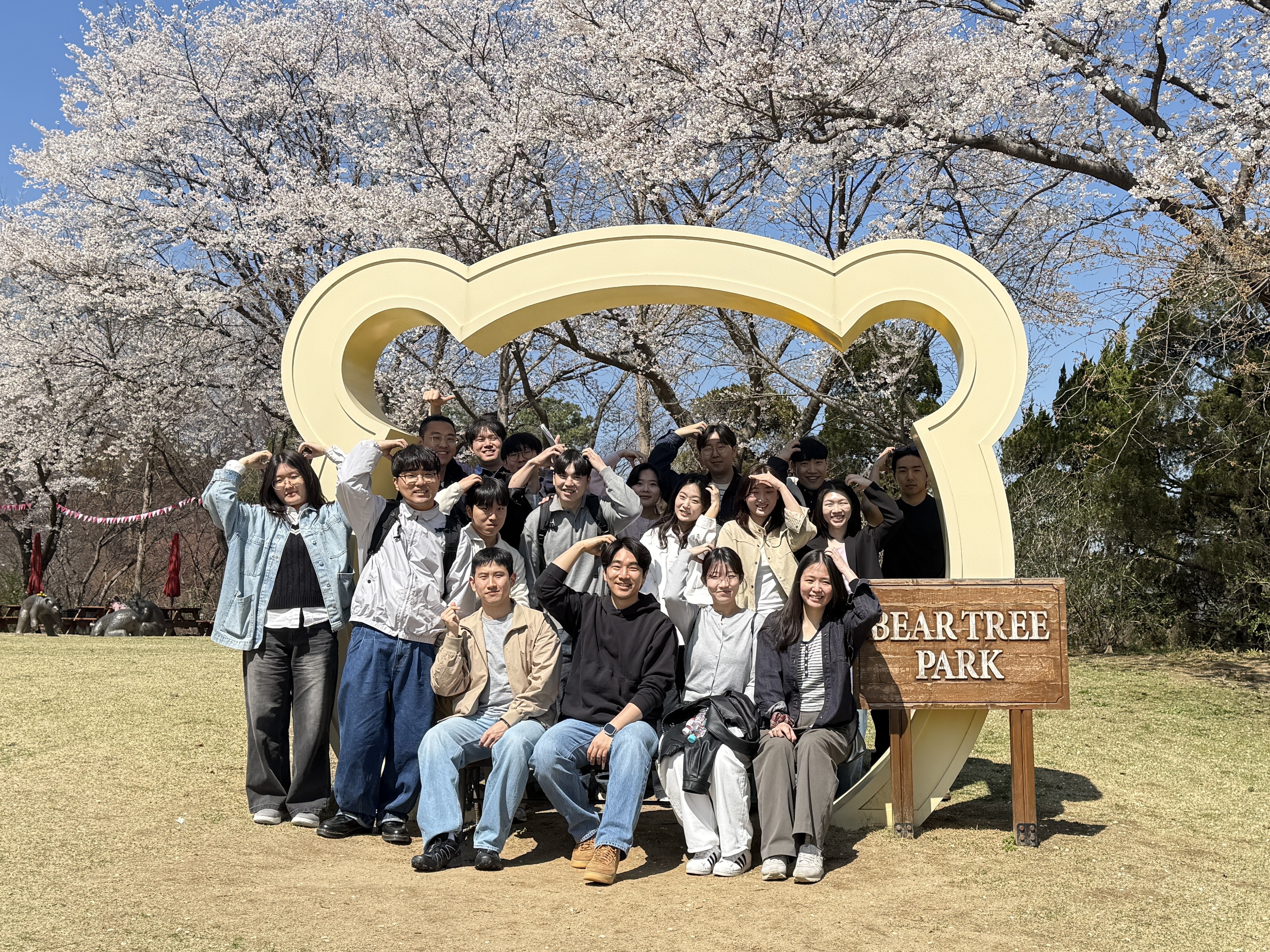
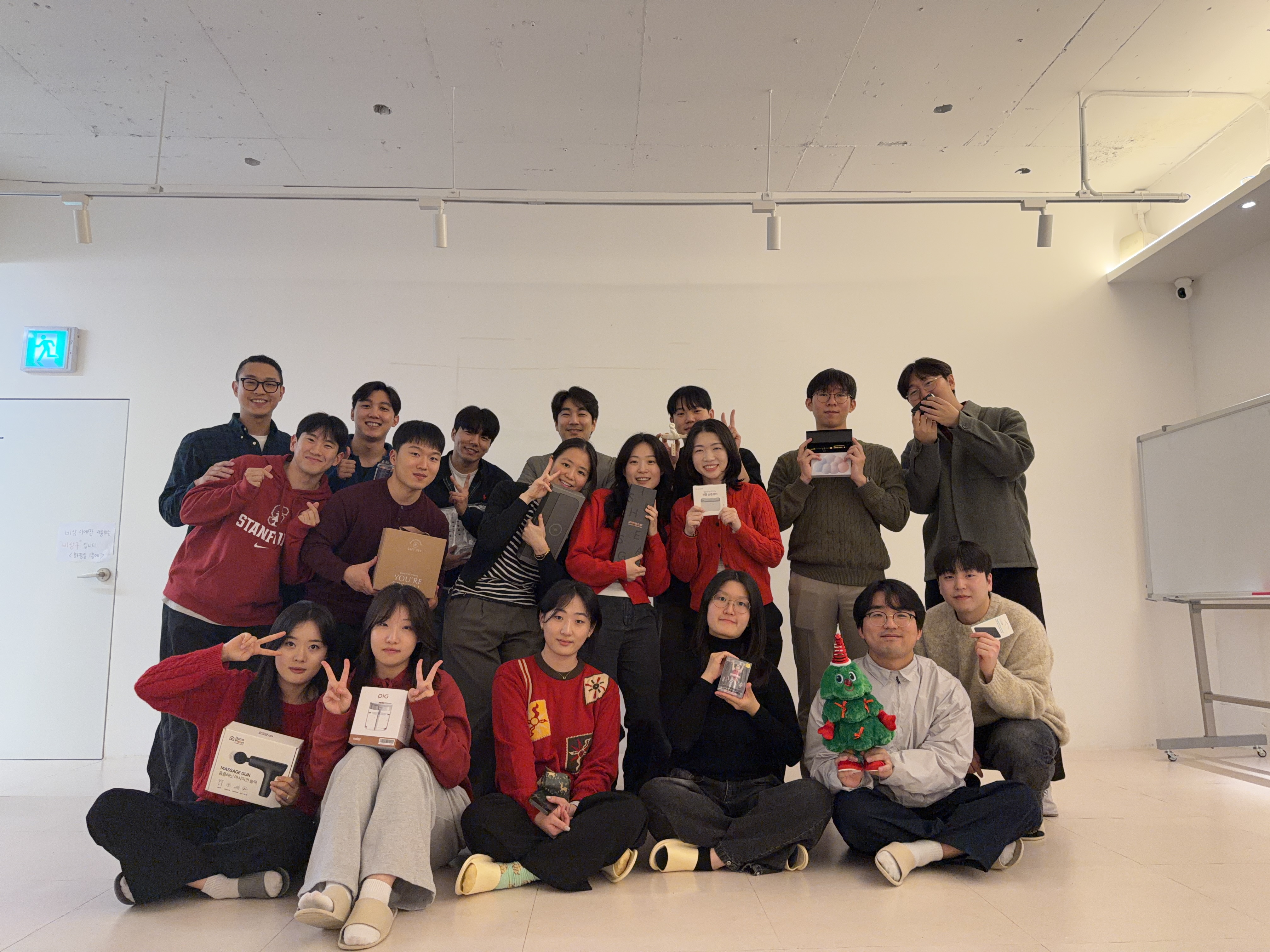
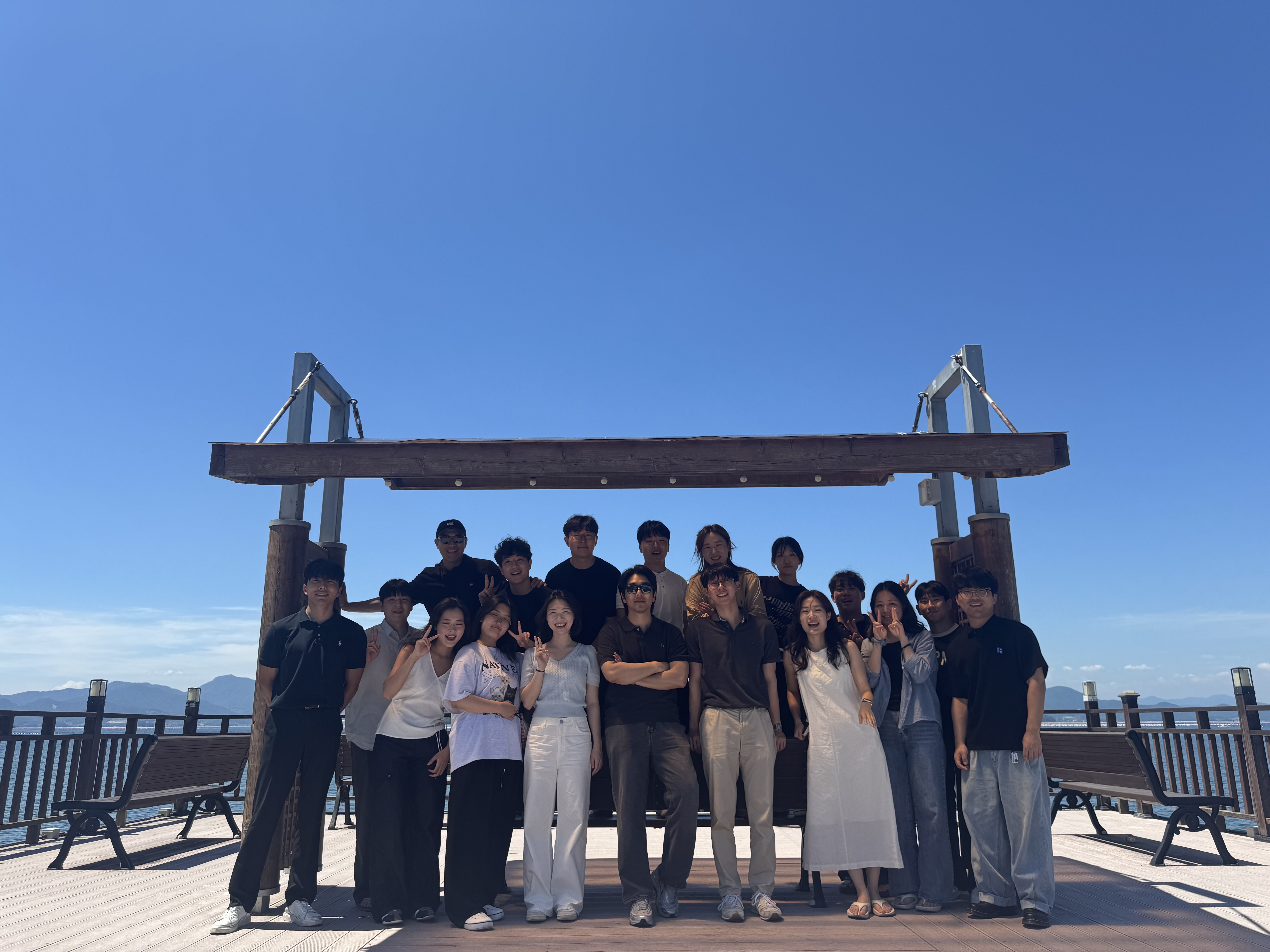
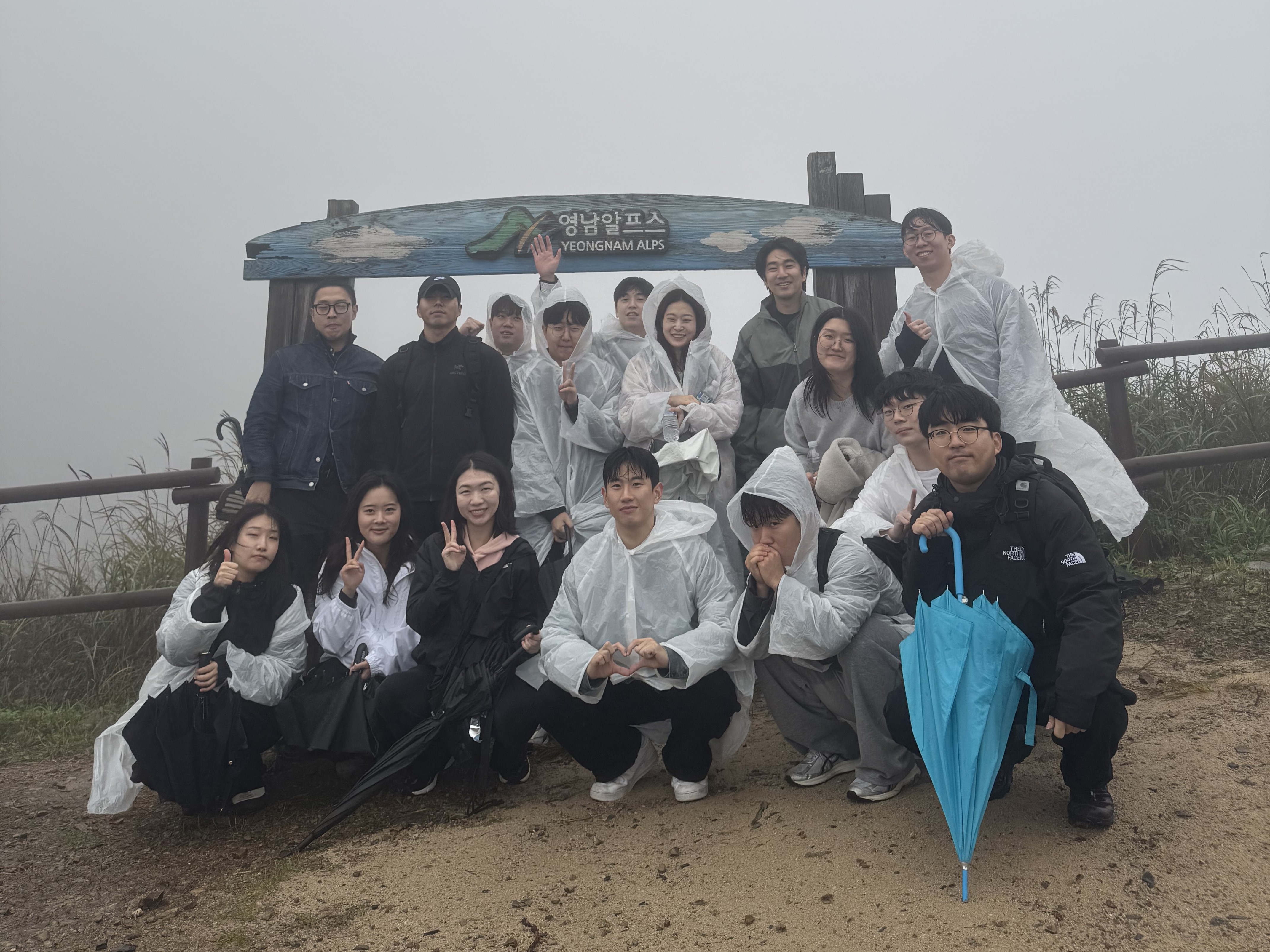
In our lab, researchers from diverse backgrounds—such as Electrical Engineering, Materials Science, Mechanical Engineering, Chemical Engineering, Chemistry, and Physics—are working together.
In particular, I am highly interested in building an Agentic AI research assistant system that can comprehensively utilize the diverse data generated during recent research processes. Many companies in Silicon Valley have already integrated this into their workflows, transitioning a wide range of tasks over to AI, from coding to the analysis of massive physical datasets. Accordingly, our lab is looking for researchers to build a new type of device and packaging research environment where AI and humans collaborate. If you dream of pursuing this kind of future-oriented research, please feel free to contact me at any time.
We currently prioritize applicants for the Ph.D. or MS-Ph.D. integrated programs who can make a long-term commitment. If you are interested, please email your CV, academic transcripts, and research materials (papers, projects, etc.) to me (jmkwon@kaist.ac.kr) and CC our lab representative, Minho Park (mhpark@unist.ac.kr).
※ Please note that as of the Spring semester of 2026, the lab has relocated to the School of Electrical Engineering in KAIST and the Department of AI Systems in KAIST.